How can oral history become easier to see, explore, and remember?
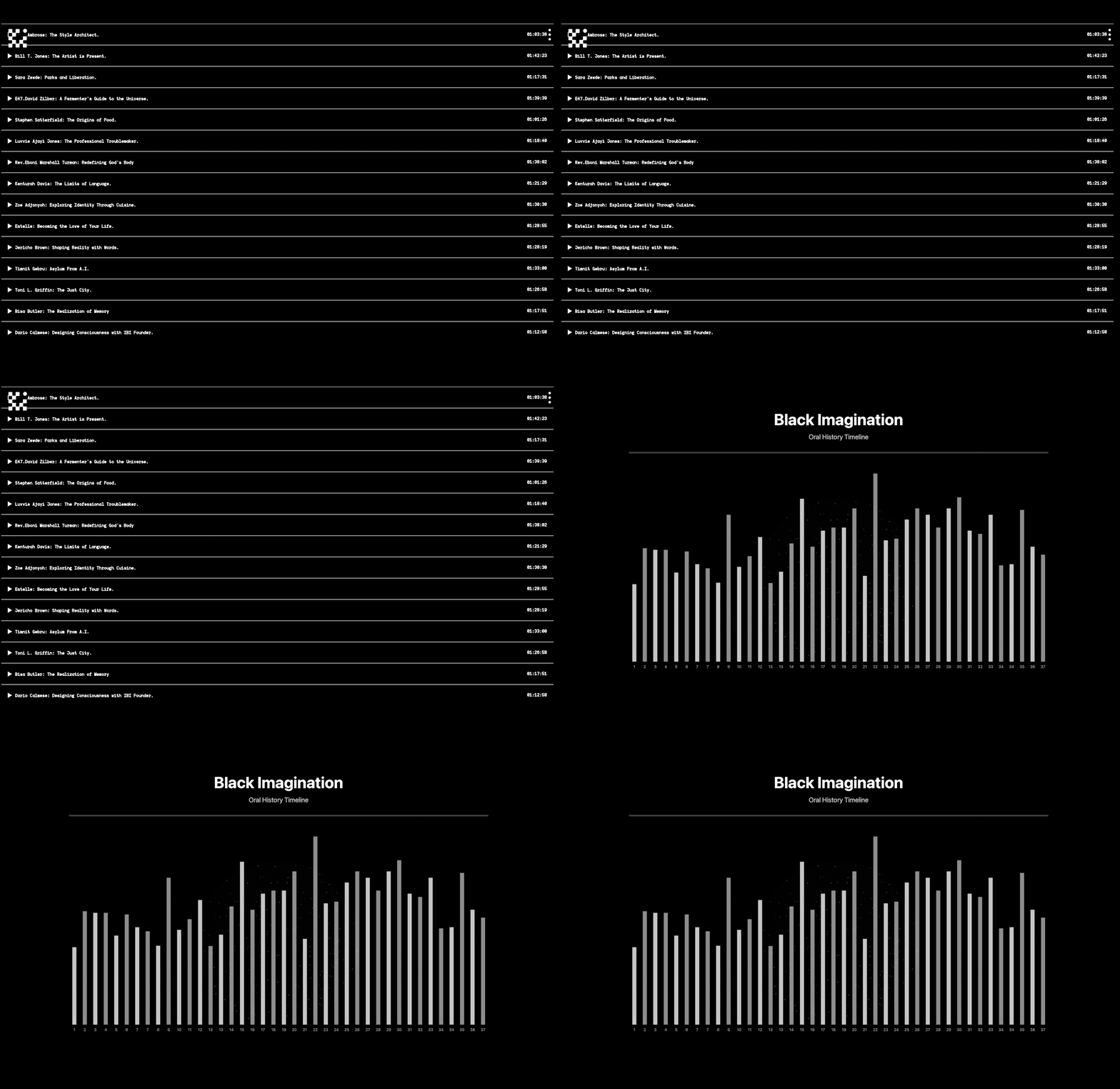
The project began with a class visit to the Institute of Black Imagination and conversations with its founders. Their emphasis on oral history led to the Institute's podcast archive, a rich collection of voices that was difficult to understand as a whole through a conventional episode list.
- TEAM
- Angel Wang and Roy Zhang
- SCOPE
- Research, creative direction, data visualization, interaction design, and prototyping
- FORMAT
- Interactive podcast timeline and audio-visual archive
Structuring the
podcast archive
AI-assisted extraction organized the existing podcast episodes and transcripts into a workable dataset. Episode length, labels, and transcript content could then be compared and visualized.
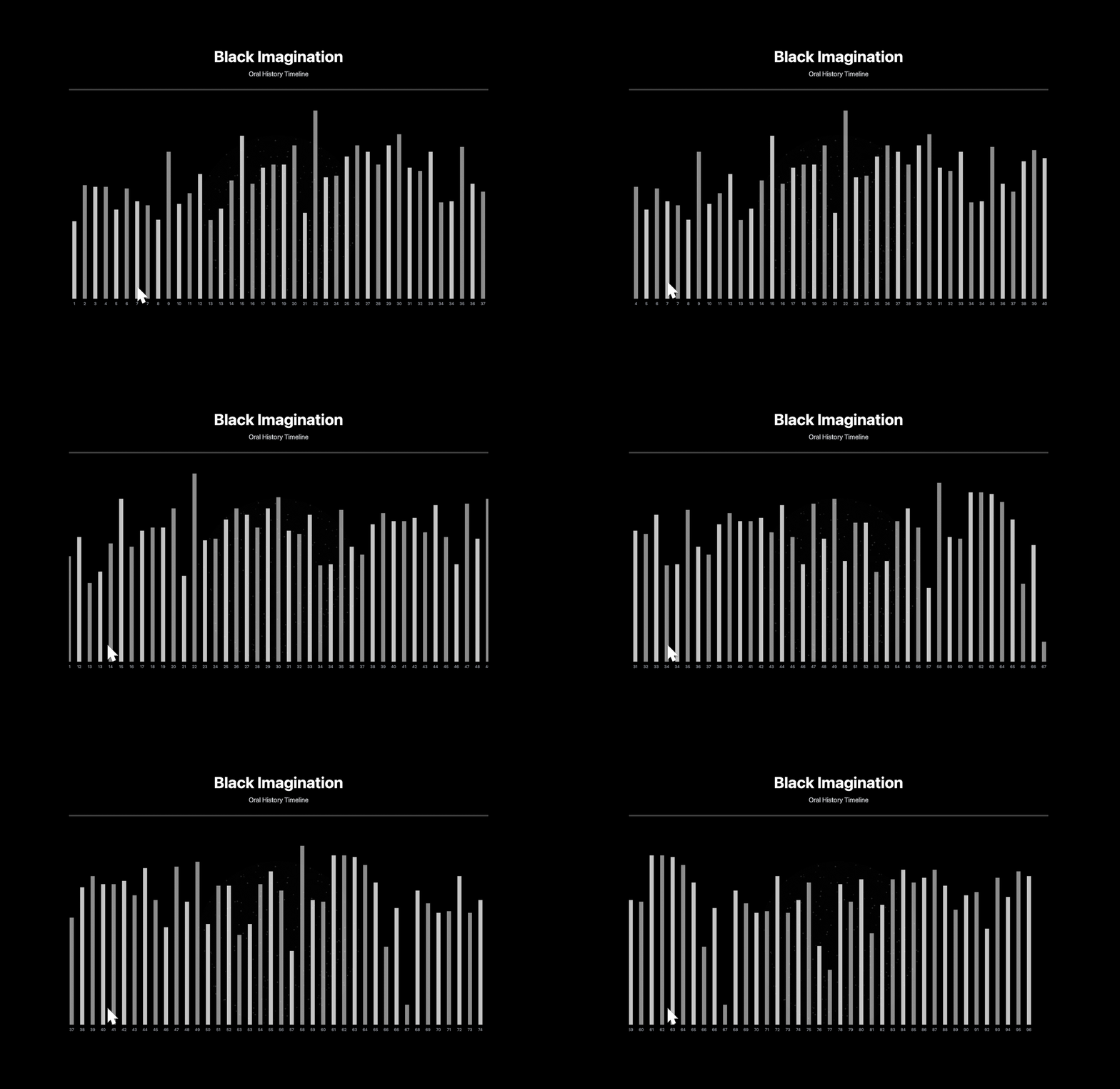
96 voices.
One visual rhythm.
Each episode became a vertical bar whose height represents its length, allowing the scale and rhythm of the oral-history collection to be understood at a glance.
Move closer.
Find a story.
Hovering reveals the title, duration, and a 100-word transcript summary, giving every voice context without losing the overview of the archive.
● HOVER TO REVEAL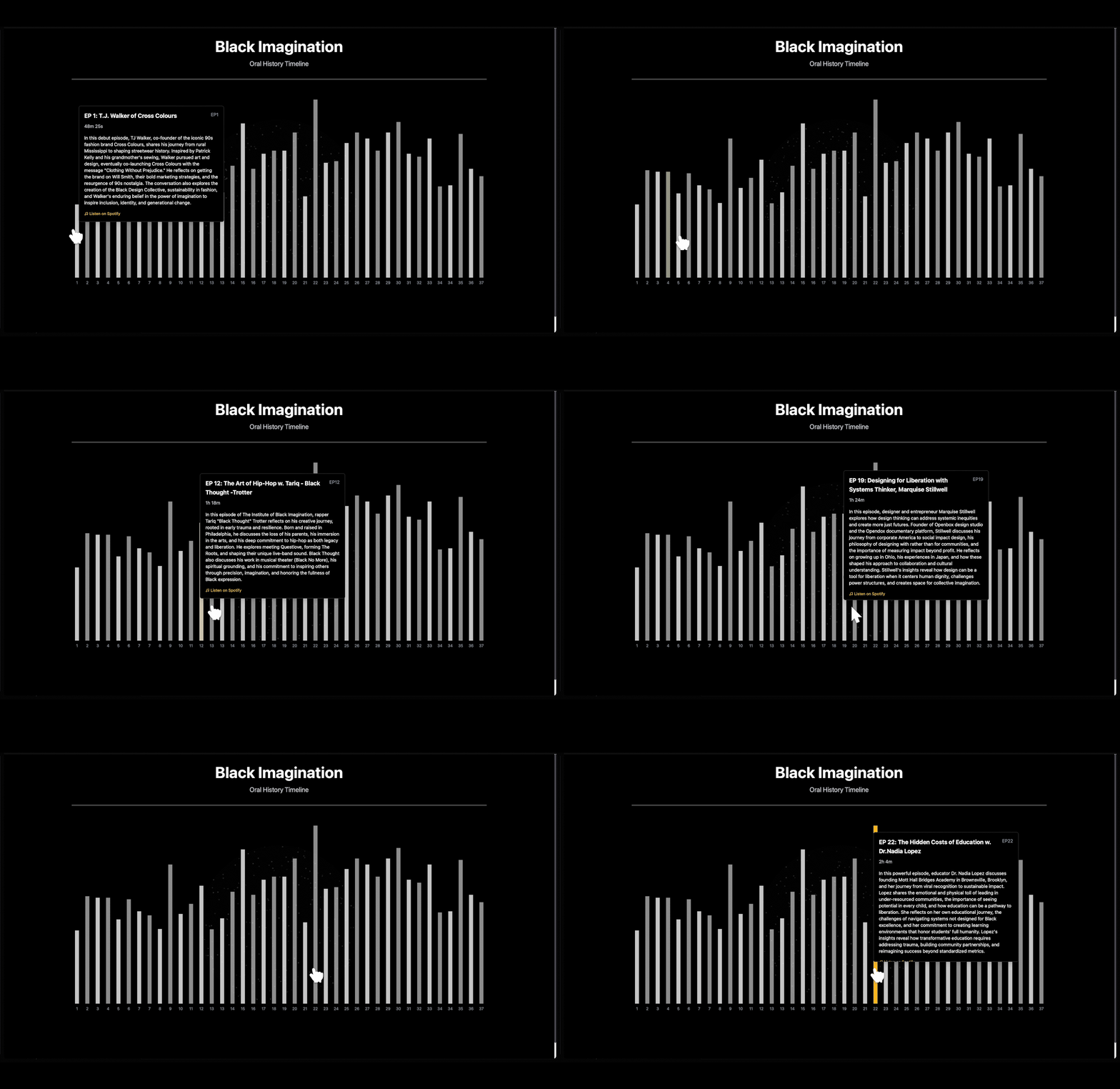
HEAR → SEARCH → SEE
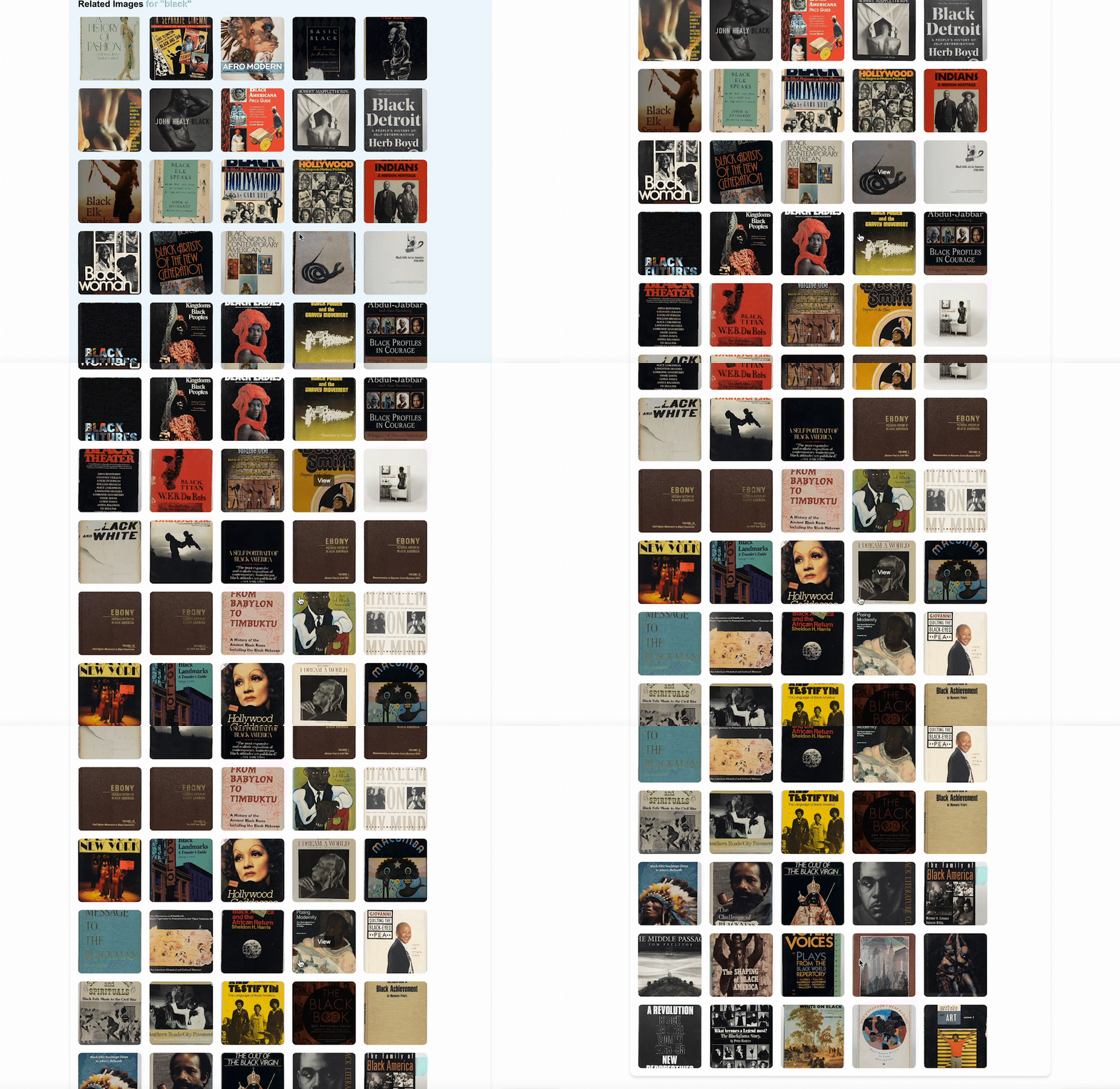
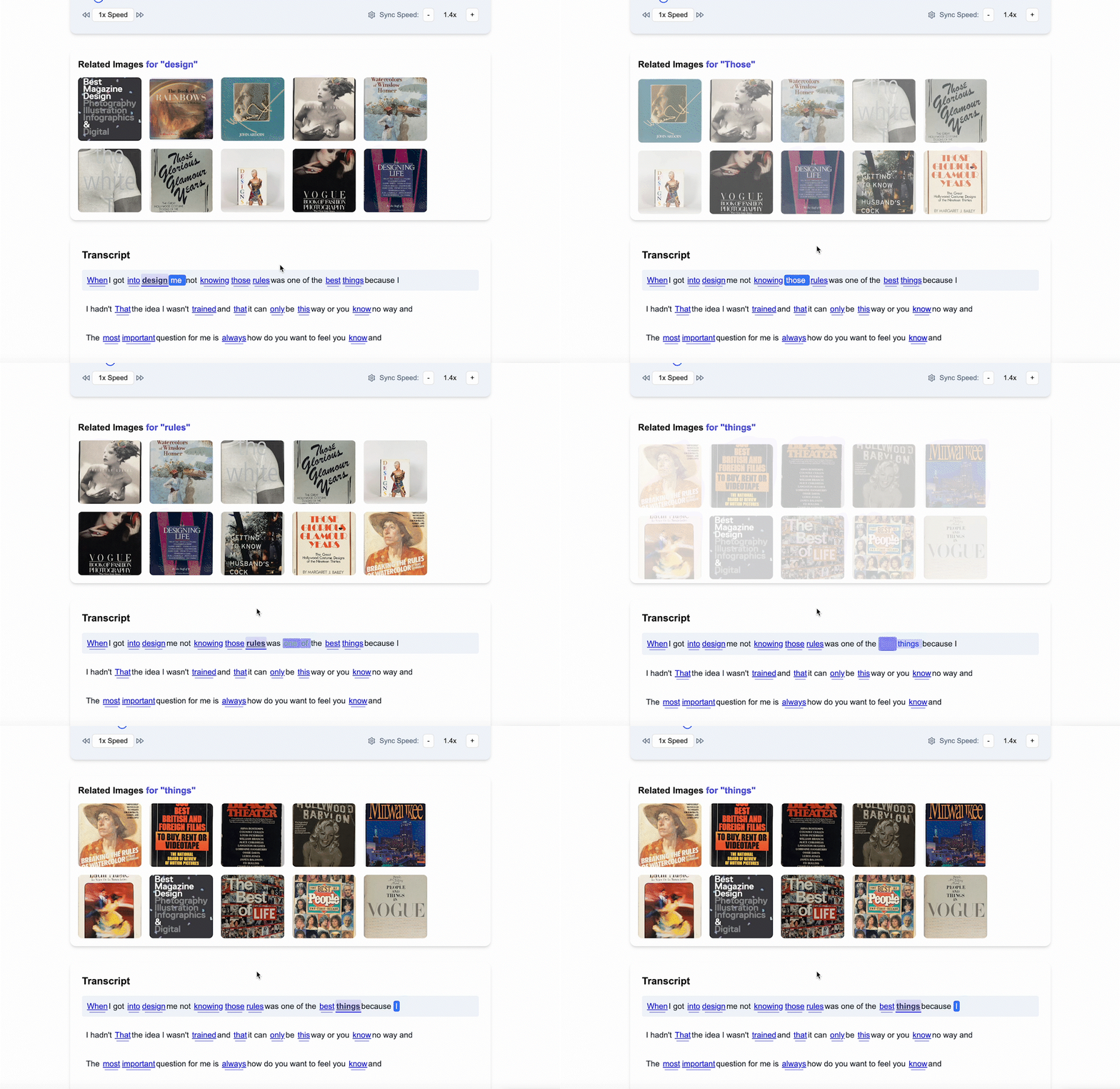
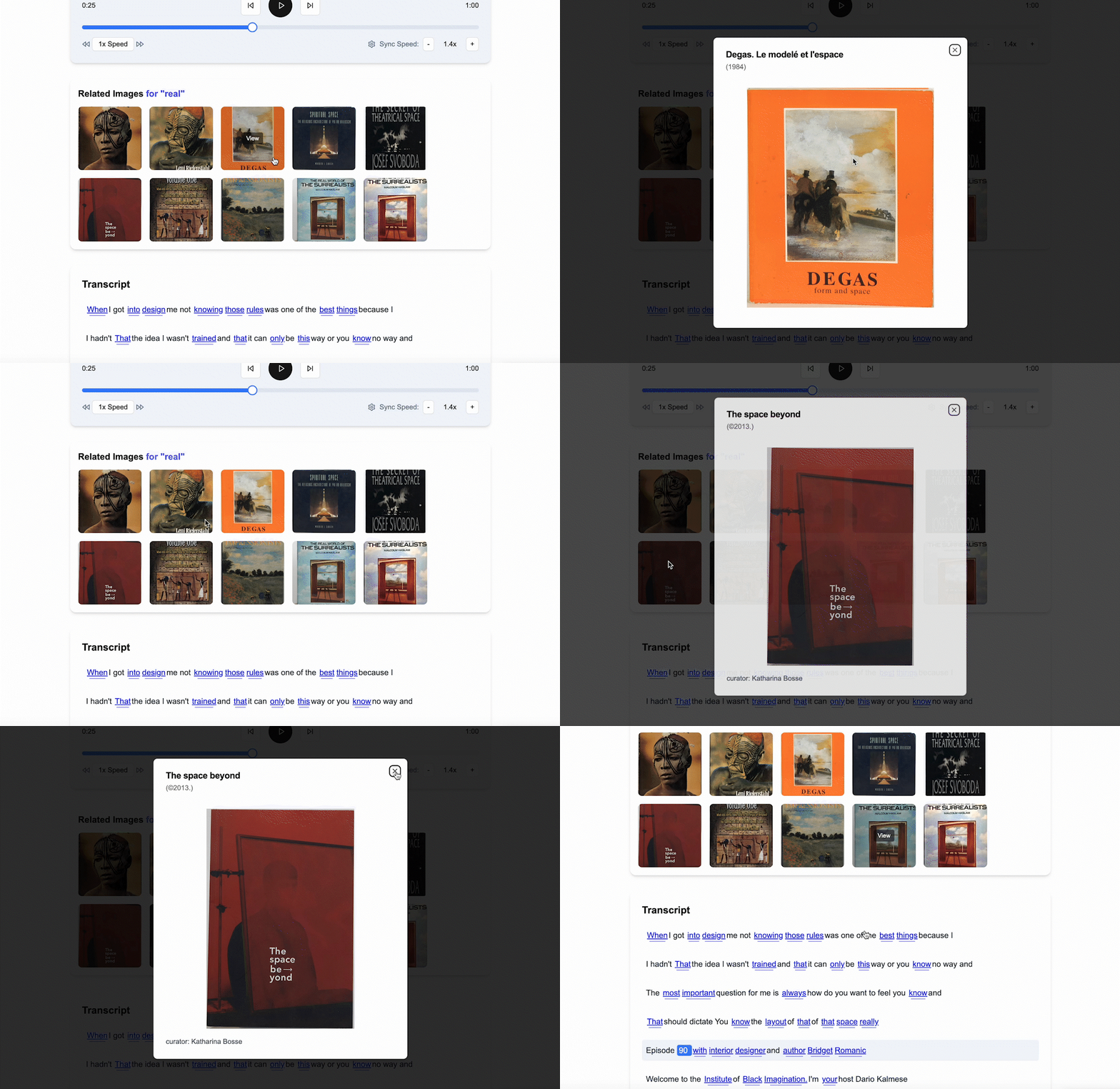
A vibe-coded interface connected transcript language to visual research. Visitors can enter a keyword and discover images, stories, and historical context related to the subject being discussed.
Listen and see
at the same time.
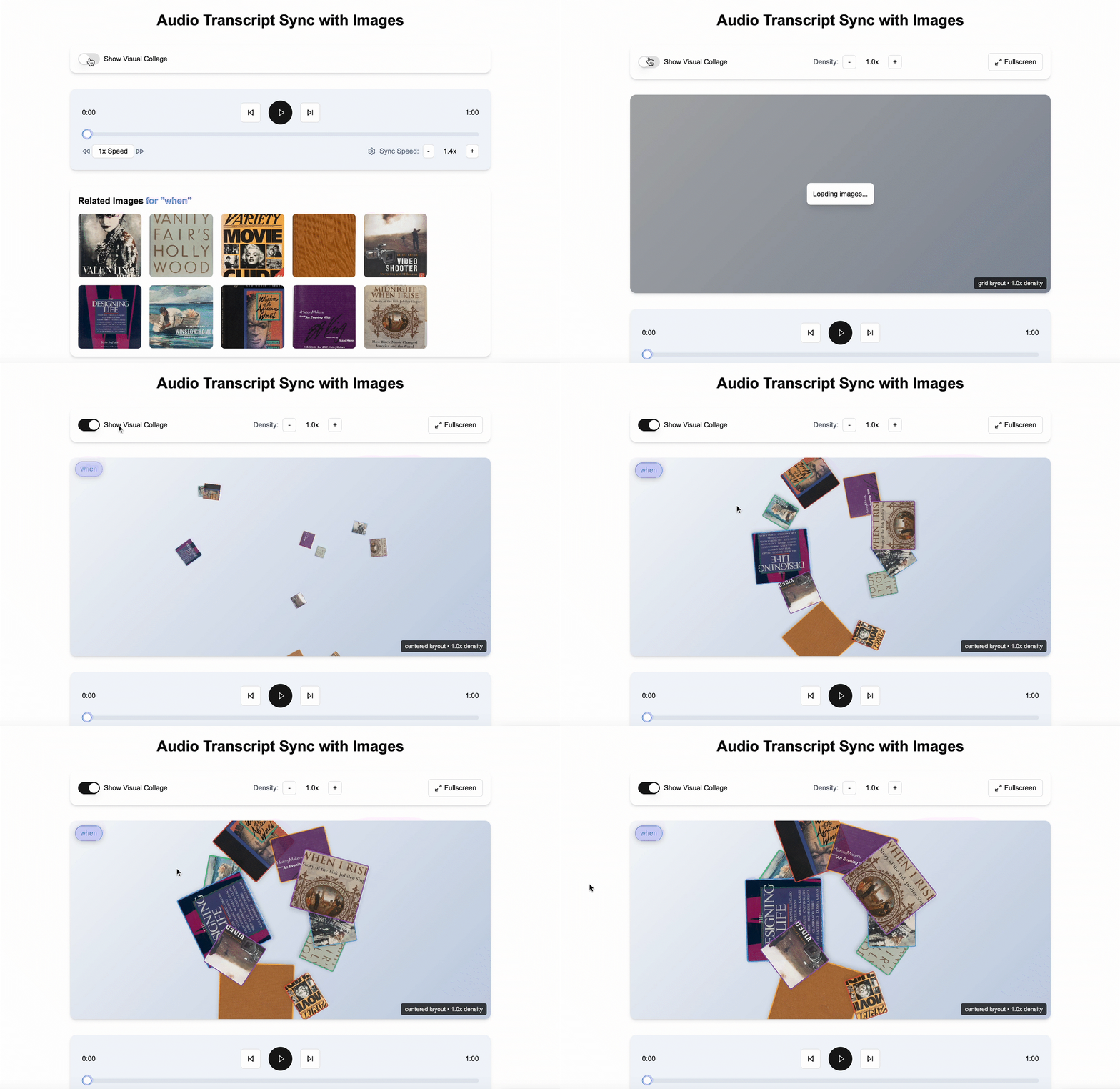
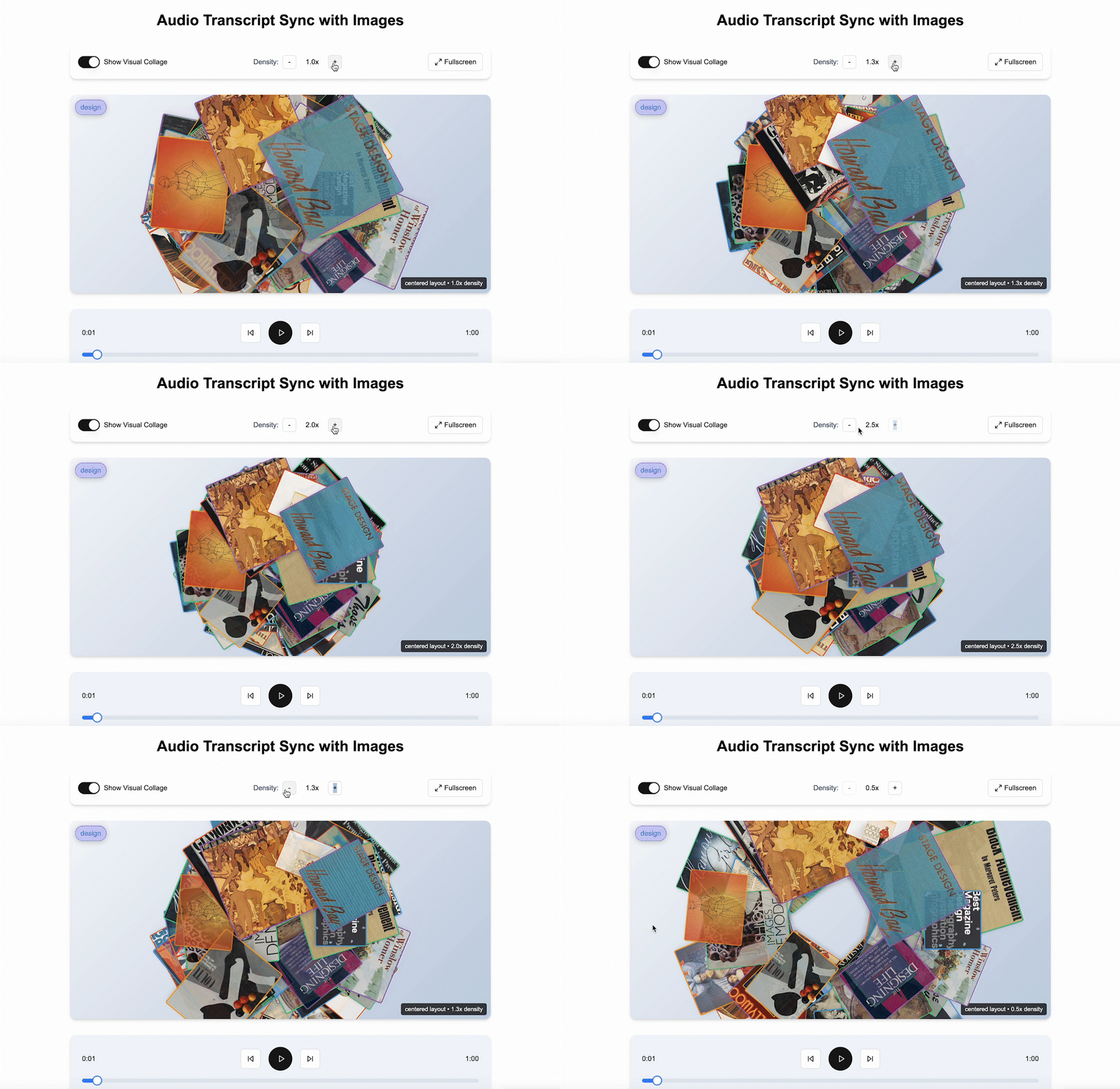
The transcript-driven images move with the audio, turning oral history into an audio-visual experience. Visitors can zoom, change image density, organize materials alphabetically, and reshape the collage.
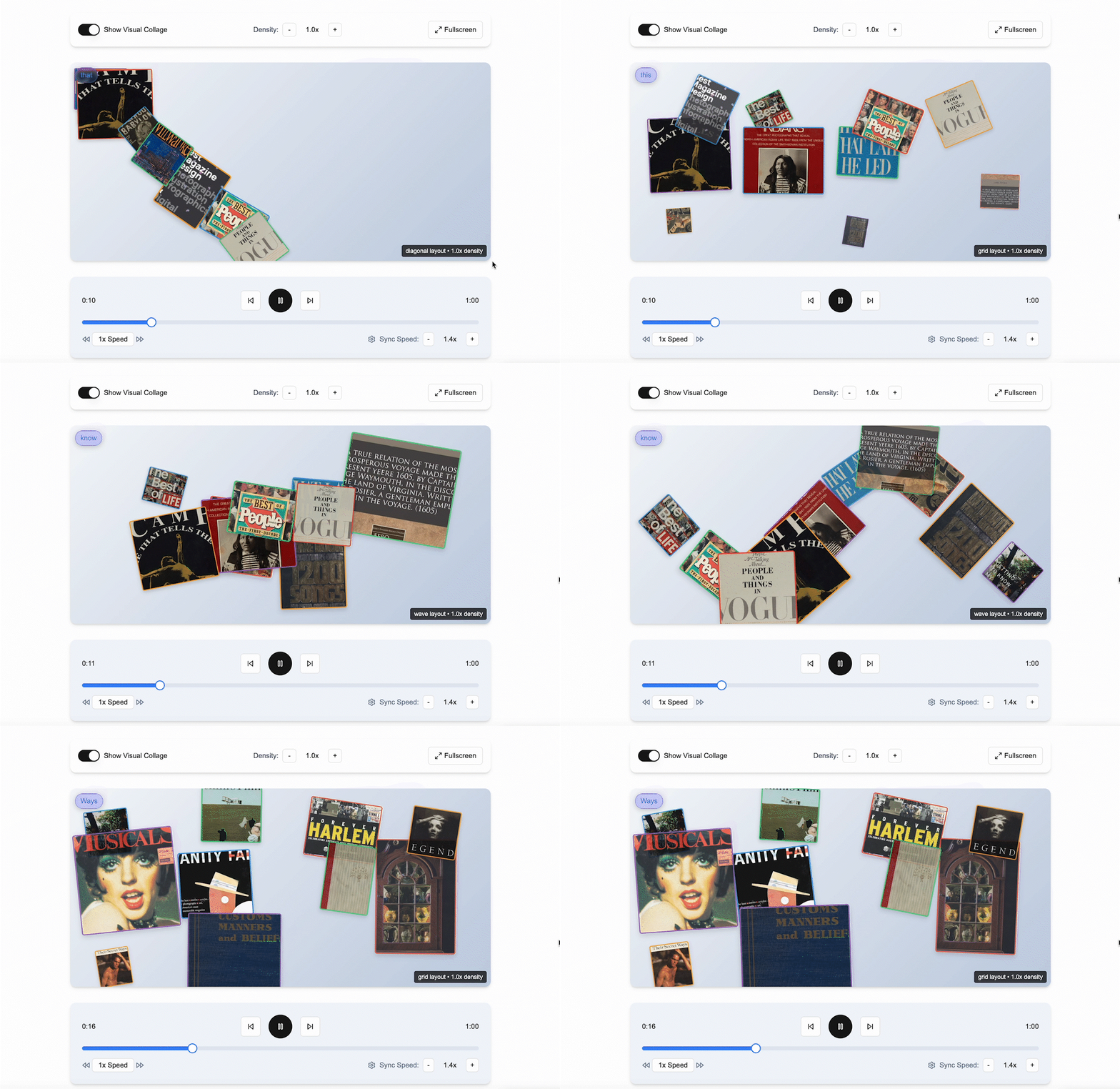
Oral history becomes more memorable when listening is paired with visual discovery.
The final concept transforms a difficult-to-scan podcast archive into a layered experience that can be understood through duration, explored through language, and remembered through image.
RZ
Co-created by Angel Wang and Roy Zhang.
The collaborative scope included institutional research, conversations with the founders, podcast extraction, transcript analysis, data visualization, creative direction, interaction design, image research, digital collage, and vibe-coded prototyping.